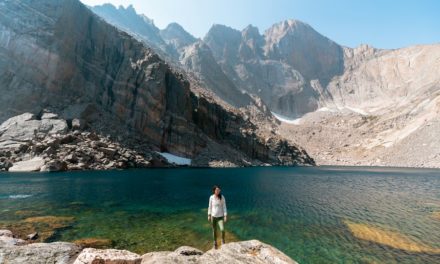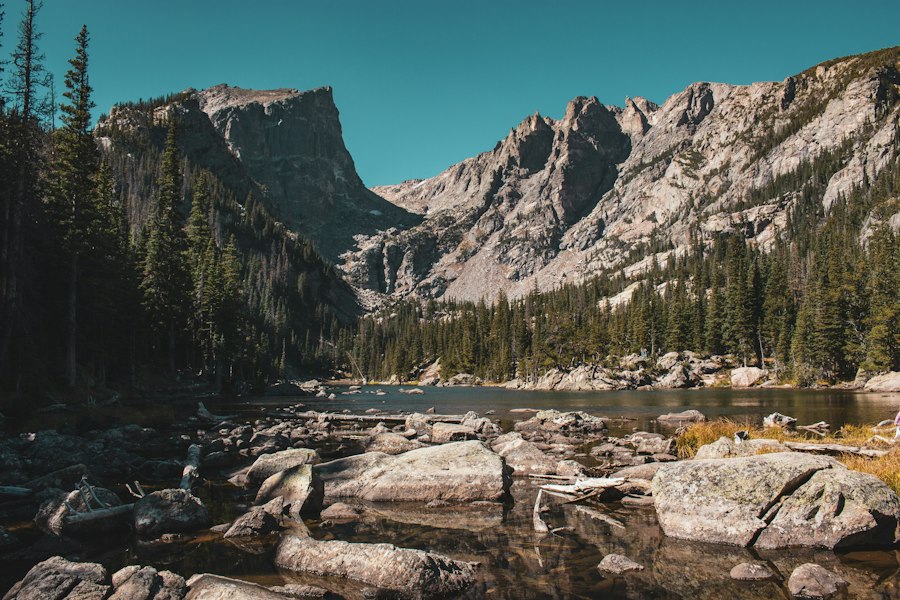
Colorado is home to a diverse array of wildlife, from majestic elk roaming the Rocky Mountains to elusive lynx hiding in the San Juan National Forest. The state’s varied landscapes provide habitats for a wide range of species, making it a haven for nature enthusiasts and wildlife lovers. Preserving and protecting these habitats is crucial not only for the survival of these animals but also for maintaining the ecological balance of the region. By understanding and appreciating Colorado’s wildlife, we can work towards ensuring their continued existence for future generations.
Key Takeaways
- Colorado is home to a diverse range of wildlife, including elk, bighorn sheep, black bears, and mountain lions.
- Rocky Mountain National Park is a prime location for wildlife viewing, with opportunities to see moose, coyotes, and even the elusive lynx.
- The Great Sand Dunes National Park and Preserve offers a unique chance to see animals adapted to life in the desert, such as kangaroo rats and sandhill cranes.
- Mesa Verde National Park is not only a cultural treasure, but also a sanctuary for wildlife like the peregrine falcon and the black bear.
- The Black Canyon of the Gunnison National Park may be underrated, but it’s a great place to spot birds of prey like golden eagles and red-tailed hawks.
Rocky Mountain National Park
Rocky Mountain National Park is a haven for wildlife enthusiasts, offering a chance to see some of Colorado’s most iconic animals in their natural habitat. The park is home to a variety of species, including elk, bighorn sheep, moose, and black bears. Visitors can often spot herds of elk grazing in the meadows or catch a glimpse of bighorn sheep scaling the rocky cliffs.
When visiting Rocky Mountain National Park, it’s important to remember that you are entering the animals’ home. Respect their space and observe from a safe distance. Binoculars or a telephoto lens can help you get a closer look without disturbing the animals. It’s also crucial to follow park guidelines and regulations to ensure both your safety and the well-being of the wildlife.
The Great Sand Dunes National Park and Preserve
The Great Sand Dunes National Park and Preserve may not be the first place that comes to mind when thinking about wildlife, but it offers unique experiences for nature lovers. The park’s wetlands provide crucial habitat for migratory birds, including sandhill cranes and various waterfowl species. Visitors can witness these birds in their natural environment during their annual migration.
Exploring the diverse ecosystems of the Great Sand Dunes National Park and Preserve is an adventure in itself. From hiking through sand dunes to wading through wetlands, there are endless opportunities to discover the park’s wildlife. It’s important to be mindful of the fragile nature of the sand dunes and wetlands and to follow park regulations to minimize your impact on the environment.
Mesa Verde National Park
| Category | Metric |
|---|---|
| Location | Colorado, United States |
| Established | June 29, 1906 |
| Area | 52,485 acres (21,240 ha) |
| Visitors (2019) | 563,420 |
| Features | Cliff dwellings, archaeological sites, canyons, mesas, wildlife |
| Activities | Hiking, camping, ranger-led tours, stargazing, wildlife watching |
Mesa Verde National Park is not only known for its ancient cliff dwellings but also for its diverse wildlife. The park is home to black bears, mountain lions, mule deer, and a variety of bird species. While these animals may be elusive, visitors can still catch glimpses of them while exploring the park’s trails and overlooks.
Preserving Mesa Verde National Park’s cultural and natural resources is crucial for maintaining the delicate balance of the ecosystem. By following park regulations and respecting the wildlife, visitors can help ensure that future generations can continue to enjoy this unique destination.
The Black Canyon of the Gunnison National Park
The Black Canyon of the Gunnison National Park is often overlooked as a wildlife destination, but it offers unique opportunities for animal sightings. Peregrine falcons, black swifts, and other bird species can be spotted soaring through the canyon walls. The rugged terrain provides a habitat for a variety of animals, including mule deer, coyotes, and black bears.
Exploring the Black Canyon of the Gunnison National Park requires caution and preparation. The steep cliffs and rugged trails can be challenging, but they offer rewarding experiences for those willing to venture into this lesser-known wilderness.
The Colorado State Forest State Park

The Colorado State Forest State Park is a hidden gem for wildlife enthusiasts. The park is home to a variety of species, including moose, elk, beavers, and numerous bird species. Hiking through the park’s wilderness areas provides opportunities to spot these animals in their natural habitat.
Preserving the Colorado State Forest State Park’s wilderness areas is crucial for maintaining the delicate balance of the ecosystem. By following park regulations and practicing Leave No Trace principles, visitors can help protect the park’s wildlife and ensure its preservation for future generations.
The San Juan National Forest
The San Juan National Forest is a haven for wildlife, with its diverse ecosystems providing habitats for a variety of species. Lynx, black bears, and mule deer are just a few of the animals that call this forest home. Exploring the forest’s trails and backcountry offers opportunities to spot these animals in their natural environment.
Preserving the San Juan National Forest’s diverse ecosystems is crucial for maintaining the region’s biodiversity. By respecting the wildlife and following park regulations, visitors can help ensure the long-term survival of these species.
The Maroon Bells-Snowmass Wilderness
The Maroon Bells-Snowmass Wilderness is not only known for its stunning alpine scenery but also for its diverse wildlife. Bighorn sheep, marmots, and various bird species can be spotted while hiking or camping in this wilderness area. The high alpine habitats provide crucial refuge for these animals.
Preserving the Maroon Bells-Snowmass Wilderness is crucial for maintaining the delicate balance of the alpine ecosystems. By practicing Leave No Trace principles and respecting the wildlife, visitors can help protect this unique wilderness area.
The Comanche National Grassland
The Comanche National Grassland may not be as well-known as some of Colorado’s other destinations, but it offers unique opportunities for wildlife viewing. Pronghorns, burrowing owls, and various bird species can be spotted while exploring the grassland’s trails and backcountry.
Preserving the Comanche National Grassland’s prairie ecosystems is crucial for maintaining the region’s biodiversity. By following park regulations and respecting the wildlife, visitors can help ensure the long-term survival of these species.
The Yampa River State Park
The Yampa River State Park is a haven for wildlife, with its riparian habitats providing crucial refuge for a variety of species. River otters, bald eagles, and various bird species can be spotted while exploring the park’s river and trails.
Preserving the Yampa River State Park’s riparian habitats is crucial for maintaining the region’s biodiversity. By practicing Leave No Trace principles and respecting the wildlife, visitors can help protect this unique park.
Colorado’s diverse wildlife is a testament to the state’s natural beauty and ecological richness. Preserving and protecting these habitats is crucial for ensuring the survival of these species and maintaining the ecological balance of the region. By exploring and appreciating Colorado’s natural wonders, we can develop a deeper understanding of the importance of wildlife conservation and work towards preserving these habitats for future generations to enjoy. So, grab your binoculars, lace up your hiking boots, and embark on an adventure to discover Colorado’s incredible wildlife.
If you’re planning a trip to Colorado and want to experience its incredible wildlife, be sure to check out our article on “The Best Places to See Wildlife in Colorado.” While you’re at it, why not also explore some of the other amazing attractions this beautiful state has to offer? Our article on “The Best Things to Do in Denver, Colorado This Winter in 2024” provides a comprehensive guide to the top activities and events happening in the city. Whether you’re a coffee lover or simply enjoy the cozy atmosphere of coffee shops, our article on “The Best Coffee Shops in Boulder, Colorado in 2024” will help you find the perfect spot for a warm cup of joe. Don’t forget to avoid common mistakes when buying your first investment property by reading our article on the “Top 5 Biggest Mistakes People Make When Buying Their First Investment Property.” And if you’re visiting Boulder this winter, make sure to check out our article on the “Top 5 Things to Do in Boulder This Winter in 2024” for some exciting winter activities. Happy exploring!
FAQs
What is the article about?
The article is about the best places to see wildlife in Colorado.
What kind of wildlife can be seen in Colorado?
Colorado is home to a diverse range of wildlife, including elk, moose, bighorn sheep, black bears, mountain lions, coyotes, foxes, and a variety of bird species.
Where are the best places to see wildlife in Colorado?
Some of the best places to see wildlife in Colorado include Rocky Mountain National Park, Great Sand Dunes National Park, Mesa Verde National Park, and the San Juan Mountains.
What is the best time of year to see wildlife in Colorado?
The best time of year to see wildlife in Colorado is typically during the spring and fall, when animals are more active and visible. However, different species may have different peak viewing times.
What should I do if I encounter wildlife in Colorado?
If you encounter wildlife in Colorado, it is important to keep a safe distance and avoid disturbing the animals. Do not approach or feed them, and always follow park regulations and guidelines.
Are there any guided tours or programs for wildlife viewing in Colorado?
Yes, there are many guided tours and programs available for wildlife viewing in Colorado, including ranger-led tours, wildlife safaris, and photography workshops. Check with individual parks and tour operators for more information.





![Key Terms Every Homebuyer Should Learn [INFOGRAPHIC]](https://blog.coloradotastic.com/wp-content/uploads/2024/06/key-terms-every-homebuyer-should-learn-infographic_1643-440x264.jpg)