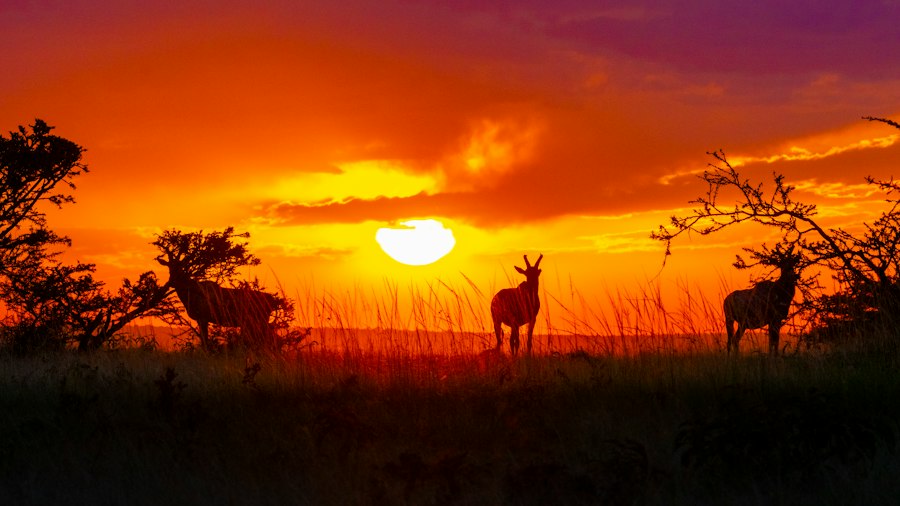
Colorado is home to a diverse array of wildlife, making it a haven for nature enthusiasts and wildlife lovers. From the majestic bison to the elusive black bear, the state offers a unique opportunity to observe and appreciate these incredible creatures in their natural habitats. Preserving and protecting Colorado’s wildlife is not only important for the animals themselves, but also for maintaining the delicate balance of ecosystems and ensuring the future generations can enjoy these natural wonders.
Key Takeaways
- Colorado is home to a diverse range of wildlife, including iconic mammals like bison, black bears, mountain goats, moose, and coyotes.
- The bison is a symbol of the American West and can be found in several locations throughout Colorado, including national parks and wildlife refuges.
- Black bears are elusive creatures that can be found in Colorado’s forests and mountains, and are known for their intelligence and adaptability.
- Mountain goats are well-suited to life in high altitudes, with specialized hooves and thick coats that help them survive in harsh environments.
- While moose sightings are rare in Colorado, these majestic animals can be found in certain areas of the state, particularly near water sources.
The Mighty Bison: Colorado’s Iconic Mammal
The bison, also known as the American buffalo, holds a special place in Colorado’s history and culture. These massive mammals once roamed the Great Plains in vast herds, but their numbers dwindled to near extinction due to overhunting and habitat loss. Thanks to conservation efforts, the bison population has rebounded in recent years, and Colorado is now home to several herds.
One of the best places to see bison in Colorado is at the Rocky Mountain Arsenal National Wildlife Refuge near Denver. This refuge is home to a thriving herd of bison, and visitors can observe them from a safe distance on designated trails. Another popular spot is the Zapata Ranch in the San Luis Valley, where visitors can participate in guided tours and learn about bison conservation efforts.
The Elusive Black Bear: A Fascinating Sight in Colorado
The black bear is another iconic mammal that calls Colorado home. These creatures are known for their elusive nature and can be found in various habitats across the state, including forests, mountains, and even suburban areas. Black bears are omnivorous and have a varied diet that includes berries, nuts, insects, and occasionally small mammals.
When encountering a black bear in the wild, it’s important to remember some safety tips. First and foremost, never approach or feed a bear. Keep a safe distance and make noise to alert them of your presence. If a bear approaches you, stand your ground, make yourself look bigger, and slowly back away. It’s also crucial to secure food and garbage to prevent attracting bears to residential areas.
Colorado’s Mountain Goats: Surviving in High Altitudes
Colorado’s mountain goats are true masters of high-altitude living. These sure-footed creatures are adapted to the rugged terrain of the Rocky Mountains, with specialized hooves that provide excellent traction on steep slopes. They are also equipped with thick fur and a layer of fat to withstand the harsh alpine conditions.
The population of mountain goats in Colorado is relatively small, and they can be found in remote areas such as the Mount Evans Wilderness and the Maroon Bells-Snowmass Wilderness. These locations offer breathtaking views and the chance to observe these magnificent animals in their natural habitat. However, it’s important to remember to keep a safe distance and not disturb or approach them.
The Majestic Moose: A Rare Sighting in Colorado
Moose were reintroduced to Colorado in the late 1970s after being absent from the state for over a century. Since then, their population has steadily grown, and they can now be found in various parts of Colorado, including Rocky Mountain National Park and Grand Mesa National Forest.
Moose are the largest members of the deer family and are known for their impressive antlers and distinctive appearance. They are primarily herbivores and feed on aquatic plants, shrubs, and tree bark. Observing moose in the wild can be a thrilling experience, but it’s important to keep a safe distance as they can be unpredictable and potentially dangerous.
The Cunning Coyote: Colorado’s Most Common Predator

Coyotes are one of the most adaptable and widespread predators in North America, including Colorado. These cunning creatures have successfully adapted to various habitats, including urban areas, where they scavenge for food and make their dens.
Coyotes play a crucial role in Colorado’s ecosystem by controlling populations of small mammals and helping to maintain a healthy balance. They are primarily nocturnal and can be heard howling at night, especially during their breeding season. Coyotes can be spotted in open grasslands, forests, and even suburban neighborhoods, but it’s important to remember to observe them from a safe distance and not to feed or approach them.
Colorado’s Pronghorn Antelope: A Speedy and Graceful Animal
The pronghorn antelope is an iconic symbol of the American West and can be found in various parts of Colorado. These graceful animals are known for their incredible speed, capable of reaching speeds of up to 60 miles per hour. They have long, slender legs and large eyes that provide excellent vision for detecting predators.
Pronghorn antelope can be found in open grasslands and shrublands, such as the Pawnee National Grassland and the Comanche National Grassland. These areas offer vast expanses of land where these magnificent creatures can roam freely. Observing pronghorn antelope from a safe distance can be a thrilling experience and provides a glimpse into the unique wildlife of Colorado.
The Colorful Birds of Colorado: From Eagles to Hummingbirds
Colorado is a paradise for birdwatchers, with over 400 species of birds recorded in the state. From majestic eagles soaring through the skies to tiny hummingbirds hovering around flowers, there is a wide variety of bird species to observe and appreciate.
Some of the best places for birdwatching in Colorado include the Rocky Mountain National Park, where visitors can spot species such as the golden eagle and the white-tailed ptarmigan. The Great Sand Dunes National Park is another hotspot for birdwatching, with species like the mountain bluebird and the western tanager making appearances. It’s important to bring binoculars and a field guide to help identify the different species and to respect the birds’ habitats by observing from a safe distance.
The Peculiar Porcupine: A Unique Sight in Colorado’s Forests
Porcupines are fascinating creatures that can be found in Colorado’s forests. These herbivores are known for their sharp quills, which they use as a defense mechanism against predators. When threatened, a porcupine will raise its quills and may even lash out with its tail, which is covered in quills as well.
Porcupines are primarily nocturnal and spend their days resting in trees. They have a slow and deliberate movement, making them relatively easy to spot if you know where to look. Some of the best places to spot porcupines in Colorado include the San Juan National Forest and the White River National Forest. It’s important to observe them from a safe distance and not to approach or disturb them.
Colorado’s Aquatic Wildlife: Trout, Beavers, and More
Colorado’s rivers and lakes are teeming with diverse aquatic wildlife, providing ample opportunities for fishing and observing these fascinating creatures. The state is known for its excellent trout fishing, with species such as rainbow trout, brown trout, and cutthroat trout being popular targets for anglers.
In addition to trout, Colorado’s waterways are home to other aquatic species such as beavers, muskrats, and various species of waterfowl. These animals play important roles in maintaining healthy ecosystems and can be observed while hiking along rivers or participating in water-based activities such as kayaking or rafting.
Colorado’s diverse wildlife is a testament to the state’s natural beauty and ecological richness. Preserving and protecting these animals is not only important for their survival but also for maintaining the delicate balance of ecosystems and ensuring future generations can enjoy these natural wonders. By practicing responsible wildlife viewing and supporting conservation efforts, we can help ensure that Colorado’s wildlife continues to thrive for years to come. So, grab your binoculars and camera, and embark on a journey to discover the incredible wildlife that calls Colorado home.