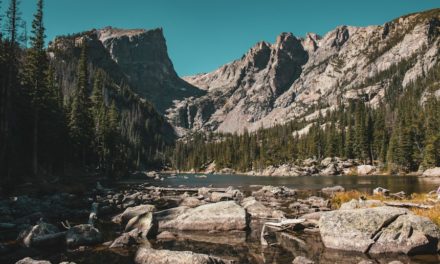
Colorado is home to a diverse array of wildlife, making it a haven for nature enthusiasts and animal lovers alike. From majestic bison roaming the plains to elusive mountain lions prowling the mountains, the state offers a unique opportunity to observe and appreciate these incredible creatures in their natural habitats. Preserving and protecting Colorado’s wildlife is not only important for the animals themselves, but also for maintaining the delicate balance of the ecosystem. By understanding and respecting these animals, we can ensure their survival for future generations to enjoy.
Key Takeaways
- Colorado is home to a diverse and fascinating world of wildlife.
- Bison are majestic symbols of the American West and can be found in Colorado.
- Black bears are mysterious and powerful predators that roam Colorado’s forests.
- Mountain lions are stealthy and elusive kings of the Rockies.
- Elk are graceful giants that inhabit Colorado’s high country.
Bison
Bison have long been an iconic symbol of the American West, representing strength, resilience, and freedom. These massive creatures once roamed the Great Plains in vast herds, but their numbers dwindled to near extinction due to overhunting and habitat loss. Thanks to conservation efforts, however, the bison population has made a remarkable recovery. In Colorado, there are several herds that can be observed in their natural habitats, such as Rocky Mountain Arsenal National Wildlife Refuge and Genesee Park. These locations offer visitors a chance to witness these magnificent animals up close and learn about their history and significance in the American West.
Black Bears
Black bears are one of Colorado’s most recognizable and beloved wildlife species. They are known for their distinctive black fur, although some individuals may have brown or cinnamon-colored coats. These bears are highly adaptable and can be found in a variety of habitats, from forests to mountainous regions. When encountering a black bear in the wild, it is important to remember that they are wild animals and should be treated with caution. It is recommended to keep a safe distance, avoid surprising them, and never approach or feed them. By following these safety tips, we can coexist peacefully with these magnificent creatures.
Mountain Lions
Mountain lions, also known as cougars or pumas, are solitary and elusive creatures that inhabit Colorado’s rugged mountainous regions. They are known for their stealth and agility, making them formidable predators. While mountain lion attacks on humans are rare, it is still important to be aware of their presence and take precautions when venturing into their territory. If you encounter a mountain lion, it is recommended to maintain eye contact, make yourself appear larger, and slowly back away. It is also advisable to hike or jog in groups and avoid hiking during dawn or dusk when mountain lions are most active.
Elk
Elk are one of the largest species of deer and are known for their impressive antlers and bugling calls during mating season. They can be found throughout Colorado’s mountains and grasslands, particularly in Rocky Mountain National Park and Estes Park. During the fall rutting season, male elk engage in fierce battles for dominance and the opportunity to mate with females. This spectacle attracts visitors from all over the world who come to witness the majestic display of nature’s power. Elk play a crucial role in Colorado’s ecosystem by grazing on vegetation and shaping the landscape, making them an integral part of the state’s natural heritage.
Bighorn Sheep

Bighorn sheep are known for their impressive curved horns, which can weigh up to 30 pounds in males. These horns play a crucial role in mating rituals, as males engage in head-to-head battles to establish dominance and win the right to mate with females. Bighorn sheep inhabit Colorado’s rugged mountainous regions, where they navigate steep cliffs with ease. Conservation efforts have been successful in increasing the bighorn sheep population in Colorado, but ongoing management is necessary to ensure their long-term survival.
Moose
Moose are the largest members of the deer family and are known for their massive size and distinctive antlers. They are well adapted to wetland habitats and can often be found near lakes, rivers, and marshes. Colorado offers several prime locations for moose viewing, such as State Forest State Park and Grand Mesa National Forest. Wetlands are crucial to moose habitat, providing them with the necessary food and shelter. By protecting and preserving these wetland ecosystems, we can ensure the survival of this iconic species.
Lynx
Lynx are elusive and solitary creatures that inhabit Colorado’s high-altitude forests. They are known for their tufted ears, which give them a distinctive appearance. Lynx are highly specialized predators, relying primarily on snowshoe hares for food. Due to habitat loss and trapping, the lynx population in Colorado declined drastically in the past century. However, conservation efforts have been successful in reintroducing lynx to the state, and their population is slowly recovering. These efforts include habitat restoration, monitoring, and public education to promote coexistence with this unique species.
Coyotes
Coyotes are highly adaptable and resourceful animals that can be found in both rural and urban areas of Colorado. They are known for their distinctive howls and yips, which can be heard during the night. Coyotes play an important role in controlling rodent populations and maintaining ecosystem balance. While encounters with coyotes in urban areas are relatively common, they rarely pose a threat to humans. It is important to remember that coyotes are wild animals and should be treated with caution. By securing trash cans, removing potential food sources, and keeping pets on leashes, we can coexist peacefully with these intelligent creatures.
Birds of Prey
Colorado is home to a diverse array of bird species, including several magnificent birds of prey. These birds, such as eagles, hawks, and falcons, are known for their keen eyesight, powerful talons, and impressive hunting abilities. They play a crucial role in maintaining the balance of the ecosystem by controlling rodent populations and scavenging carrion. Colorado offers several prime locations for bird watching, such as Barr Lake State Park and Pawnee National Grassland. By observing and appreciating these majestic creatures, we can gain a deeper understanding of the delicate web of life that exists in Colorado’s natural habitats.
Colorado’s diverse wildlife is a testament to the state’s natural beauty and ecological richness. From the iconic bison to the elusive lynx, each species plays a crucial role in maintaining the delicate balance of the ecosystem. By preserving and protecting these animals and their habitats, we can ensure their survival for future generations to enjoy. Whether observing them in the wild or learning about them through educational programs, it is important to appreciate and respect these incredible creatures that call Colorado home.