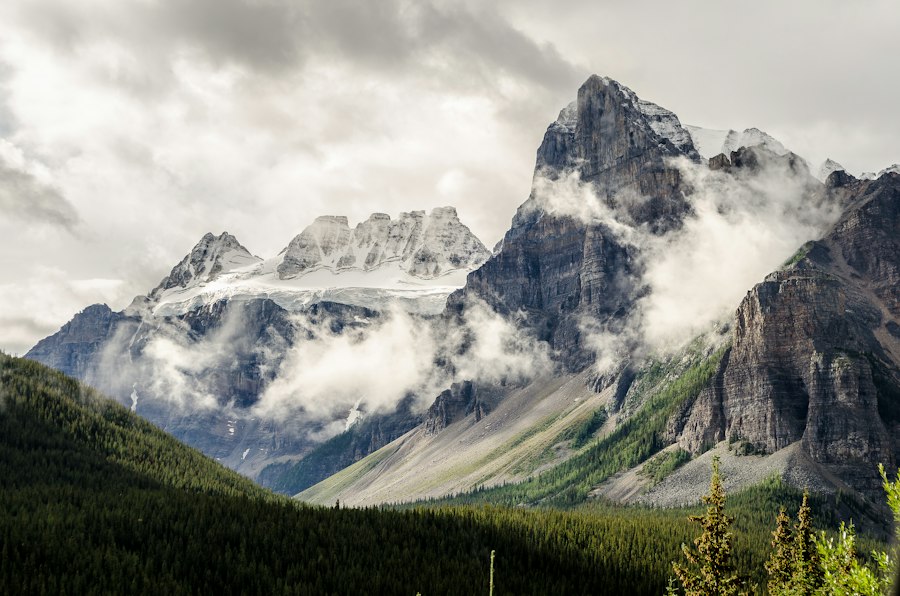
Colorado is home to some of the most breathtaking natural wonders in the United States. With its diverse landscapes, from towering mountains to vast deserts, the state boasts a collection of national parks that are a must-visit for any nature enthusiast. These parks not only offer stunning scenery and outdoor activities but also play a crucial role in preserving the state’s natural heritage. In this article, we will explore the beauty and significance of Colorado’s national parks and provide tips for planning your own adventure.
Key Takeaways
- Colorado is home to several stunning national parks and monuments.
- Rocky Mountain National Park offers incredible hiking opportunities for all skill levels.
- Mesa Verde National Park allows visitors to explore the ancient Puebloan culture and cliff dwellings.
- Great Sand Dunes National Park boasts a unique desert landscape with towering sand dunes.
- Black Canyon of the Gunnison National Park is a photographer’s dream with its dramatic canyon walls.
- Canyonlands National Park offers thrilling rafting and adventure activities in the Southwest.
- Florissant Fossil Beds National Monument allows visitors to discover prehistoric life through fossils and petrified wood.
- Colorado National Monument features stunning red rock formations and scenic drives.
- Great Plains National Park is a great spot for wildlife viewing on the Eastern Plains.
- When planning your Colorado national park adventure, be sure to check weather conditions, pack appropriate gear, and make reservations in advance.
Rocky Mountain National Park: A Hiker’s Paradise
Rocky Mountain National Park is a hiker’s paradise, offering over 350 miles of trails that wind through its majestic peaks, alpine meadows, and pristine lakes. Whether you’re a seasoned mountaineer or a casual day hiker, there is a trail for every skill level in this park. Some popular hikes include the Bear Lake Loop, which is an easy 0.6-mile loop that offers stunning views of the surrounding mountains and lakes. For more experienced hikers, the Sky Pond Trail is a challenging 9-mile hike that rewards you with breathtaking views of waterfalls and alpine lakes.
When hiking in Rocky Mountain National Park, it’s important to be prepared. The weather can change rapidly, so make sure to bring layers and be prepared for sudden temperature drops or storms. It’s also essential to stay hydrated and bring plenty of water, as the high altitude can cause dehydration more quickly than at lower elevations. Additionally, be mindful of wildlife and follow park regulations when encountering animals.
Mesa Verde National Park: Exploring Ancient Puebloan Culture
Mesa Verde National Park is a UNESCO World Heritage Site that offers a unique glimpse into the ancient Puebloan culture that once thrived in the region. The park is home to over 5,000 archaeological sites, including well-preserved cliff dwellings that were built by the Puebloan people over 700 years ago. These cliff dwellings provide a fascinating insight into the lives and architecture of this ancient civilization.
Visitors to Mesa Verde can take guided tours of the cliff dwellings, where knowledgeable park rangers provide insights into the history and culture of the Puebloan people. The Cliff Palace, Balcony House, and Long House are some of the most popular cliff dwellings to explore. These tours require some physical fitness, as they involve climbing ladders and navigating narrow passages.
Mesa Verde National Park is not only a treasure trove of archaeological wonders but also holds immense cultural significance. It serves as a reminder of the rich history and heritage of the Native American tribes that once inhabited the area. It is important to respect and appreciate this cultural heritage when visiting the park.
Great Sand Dunes National Park: A Unique Desert Landscape
Great Sand Dunes National Park is a unique desert landscape nestled at the foot of the Sangre de Cristo Mountains. The park is home to the tallest sand dunes in North America, with some reaching heights of over 700 feet. The contrast between the towering dunes and the snow-capped peaks in the background creates a surreal and awe-inspiring sight.
Visitors to Great Sand Dunes can engage in a variety of activities, such as sandboarding, sledding, and hiking. Sandboarding down the dunes is a thrilling experience that allows you to glide down the sandy slopes at high speeds. Hiking in the park offers opportunities to explore diverse ecosystems, from alpine tundra to wetlands.
When visiting Great Sand Dunes National Park, it’s important to be prepared for the desert environment. The sand can get scorching hot during summer months, so make sure to bring sunscreen, a hat, and plenty of water. It’s also advisable to wear closed-toe shoes to protect your feet from the hot sand. Additionally, be mindful of the fragile ecosystem and follow park regulations to preserve the natural beauty of the dunes.
Black Canyon of the Gunnison National Park: A Photographer’s Dream
Black Canyon of the Gunnison National Park is a photographer’s dream, with its dramatic cliffs and deep, narrow canyons carved by the Gunnison River. The park’s unique geology creates stunning photo opportunities, especially during sunrise and sunset when the light casts a warm glow on the canyon walls.
To capture the perfect shot in Black Canyon of the Gunnison, it’s important to plan your visit around the best viewpoints. The South Rim Drive offers several overlooks that provide breathtaking views of the canyon. The Painted Wall View is particularly popular, as it offers a panoramic view of the park’s tallest cliff face.
When photographing in the park, it’s important to be patient and wait for the perfect lighting conditions. The canyon walls can be quite dark, so using a tripod and longer exposure times can help capture more detail in your photos. Additionally, be mindful of your surroundings and follow park regulations to ensure the safety of yourself and others.
Canyonlands National Park: Rafting and Adventure in the Southwest

Canyonlands National Park is a vast wilderness that encompasses canyons, mesas, and rivers in southeastern Utah. The park is divided into four districts, each offering unique opportunities for adventure and exploration. The Island in the Sky district is known for its stunning vistas and offers numerous hiking trails that lead to breathtaking overlooks. The Needles district is famous for its colorful rock formations and offers excellent opportunities for backpacking and rock climbing. The Maze district is the most remote and challenging to access but rewards visitors with solitude and unparalleled beauty. Lastly, the rivers that flow through Canyonlands provide opportunities for rafting and kayaking adventures.
When planning an adventure in Canyonlands National Park, it’s important to be prepared for the rugged and remote nature of the park. The park’s districts are vast, and it’s advisable to plan your itinerary in advance to make the most of your visit. If you’re planning on rafting or kayaking, make sure to check river conditions and obtain any necessary permits. Additionally, be aware of the desert environment and bring plenty of water, sunscreen, and protective clothing.
Florissant Fossil Beds National Monument: Discovering Prehistoric Life
Florissant Fossil Beds National Monument is a hidden gem in Colorado that offers a unique opportunity to discover prehistoric life. The park is home to one of the richest fossil deposits in the world, with over 1,700 species of plants and animals preserved in exquisite detail. Visitors can take guided tours of the fossil beds and explore the park’s museum, which showcases some of the most significant finds.
The fossils at Florissant Fossil Beds National Monument provide valuable insights into the Earth’s history and evolution. They offer a glimpse into a time when giant insects roamed the Earth and ancient forests covered the landscape. The park’s fossils are not only scientifically significant but also serve as a reminder of the importance of preserving our natural heritage.
When visiting Florissant Fossil Beds National Monument, it’s important to respect the fragile nature of the fossils and follow park regulations. Touching or removing fossils is strictly prohibited, as it can damage these delicate specimens. It’s also advisable to bring comfortable walking shoes and be prepared for changing weather conditions, as the park is located at high elevation.
Colorado National Monument: Red Rock Formations and Scenic Drives
Colorado National Monument is a hidden gem located near Grand Junction in western Colorado. The park is known for its stunning red rock formations, deep canyons, and panoramic vistas. Visitors can explore the park through a network of scenic drives that wind through the rugged landscape, offering breathtaking views at every turn.
Some of the best scenic drives in Colorado National Monument include Rim Rock Drive and the Monument Canyon Drive. Rim Rock Drive is a 23-mile road that offers stunning views of the canyons and rock formations. The Monument Canyon Drive takes visitors to the heart of the park, where they can hike to iconic landmarks such as Independence Monument and the Kissing Couple.
When visiting Colorado National Monument, it’s important to take your time and soak in the beauty of the landscape. The park offers numerous hiking trails that allow visitors to explore the canyons and get up close to the red rock formations. Additionally, be mindful of wildlife and follow park regulations to ensure the safety of yourself and the animals.
Great Plains National Park: Wildlife Viewing on the Eastern Plains
Great Plains National Park is a hidden gem located on the eastern plains of Colorado. The park is home to a diverse range of wildlife, including bison, pronghorn, coyotes, and numerous bird species. Visitors can explore the park through hiking trails and scenic drives, offering excellent opportunities for wildlife viewing.
Some of the best areas for wildlife viewing in Great Plains National Park include the Comanche National Grassland and the Picketwire Canyonlands. The Comanche National Grassland is home to vast grasslands that provide habitat for pronghorn and other grassland species. The Picketwire Canyonlands offer opportunities to see bison herds and explore ancient dinosaur tracks.
When observing wildlife in Great Plains National Park, it’s important to do so from a safe distance and respect their natural behavior. Binoculars or a telephoto lens can help you get a closer look without disturbing the animals. Additionally, be mindful of your surroundings and follow park regulations to ensure the safety of yourself and the wildlife.
Tips for Planning Your Colorado National Park Adventure
When planning your Colorado national park adventure, it’s important to consider the best time of year to visit each park. Rocky Mountain National Park is best visited in the summer months when the snow has melted and the hiking trails are accessible. Mesa Verde National Park is open year-round, but spring and fall offer milder temperatures and fewer crowds. Great Sand Dunes National Park is best visited in the spring or fall when temperatures are more moderate. Black Canyon of the Gunnison National Park is beautiful year-round, but summer offers longer days for photography. Canyonlands National Park is best visited in the spring or fall when temperatures are more moderate.
When planning your itinerary, consider the distance between each park and allow enough time to fully explore each one. It’s also important to check park websites for any closures or restrictions before your visit. Additionally, make sure to pack essentials such as sunscreen, water, comfortable shoes, and appropriate clothing for the weather conditions.
Colorado’s national parks offer a diverse range of landscapes and outdoor activities that are sure to captivate any nature enthusiast. From the towering peaks of Rocky Mountain National Park to the ancient cliff dwellings of Mesa Verde, these parks provide a unique opportunity to explore and appreciate the state’s natural heritage. Whether you’re a hiker, photographer, or wildlife enthusiast, there is something for everyone in Colorado’s national parks. So pack your bags, plan your adventure, and get ready to explore these natural wonders that are truly a treasure of the United States.